

We all love mobile gaming. It’s the perfect way to kill ten minutes waiting for a bus or to unwind after a long day. Our smartphones are powerful pocket consoles, and app stores are overflowing with millions of options.
But here is the uncomfortable truth: not all games are created equal.
While many developers are passionate about creating great experiences, others view your phone as an unguarded goldmine. Some games are designed not for fun, but to harvest your personal data, serve you intrusive adware, drain your battery life in the background, or manipulate you into endless spending loops.
If your phone feels sluggish, your battery isn’t lasting the day, or you’re seeing weird pop-ups, the culprit is likely sitting on your home screen right now. To protect your privacy and improve your phone’s performance, it is crucial to audit your app drawer.
Here are the 6 types of games you need to identify and delete immediately.
1. The “Permissions Vampires”
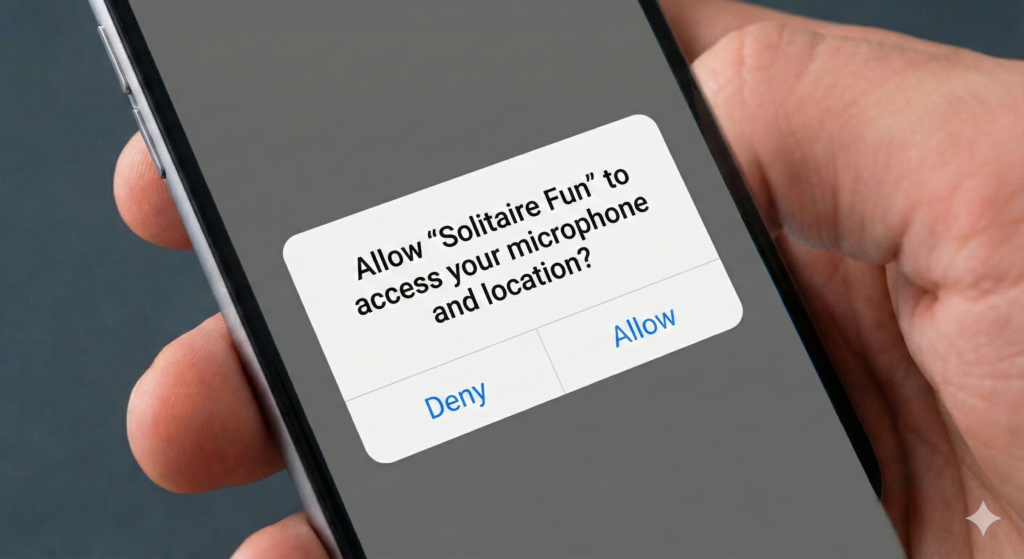
Why does a simple Solitaire game need access to your microphone, contacts, and precise GPS location? The short answer is: it doesn’t.
“Permissions Vampires” are simple games that demand access to parts of your phone essential to your privacy, largely to scrape user data and sell it to third-party advertisers. If a game’s requested permissions seem vastly disproportionate to its gameplay loop, deny the permissions and uninstall the app. A flashlight app or a Sudoku puzzle does not need to know where you are right now.
2. The Adware Disguised as Gameplay
We all understand that free-to-play developers need to make money, and reasonable ads are the price of admission. However, some “games” exist solely as delivery mechanisms for aggressive adware.
You know these games: you play for 15 seconds, then watch a 45-second unskippable video. Then an ad pops up on the menu screen. Then another pops up during gameplay. If you are spending more time watching commercials than actually playing, the app is wasting your time and resources. Delete it and find a respectable alternative that balances monetization with user experience.

3. The Predatory “Pay-to-Win” Traps
Microtransactions are standard in mobile gaming, but some games cross the line from “optional purchases” to manipulative psychology.
These games are designed with “paywalls” that make progress impossible without spending real money. They often use confusing multiple currency systems and deploy dark patterns targetted at children or vulnerable players, encouraging addictive spending habits. If a game feels like a casino slot machine disguised as an RPG or city-builder, walk away before your wallet takes a hit.

4. The Malicious Clones
Whenever a massive hit launches—think Among Us, Fortnite, or Minecraft—the app stores are immediately flooded with lookalikes.
These clones often use slightly misspelled names or stolen artwork to trick unsuspecting users into downloading them. At best, you get a buggy, terrible knock-off. At worst, you are downloading malware designed to steal your login credentials or financial information. Always verify the developer name before downloading a popular title, and if you have any clones installed, remove them instantly.
Also read – Everything About Bluetooth 5: Myths & Facts
5. The Unsupported “Zombies”
Check your game library for old favorites you haven’t played in years. When was the last time they received an update?
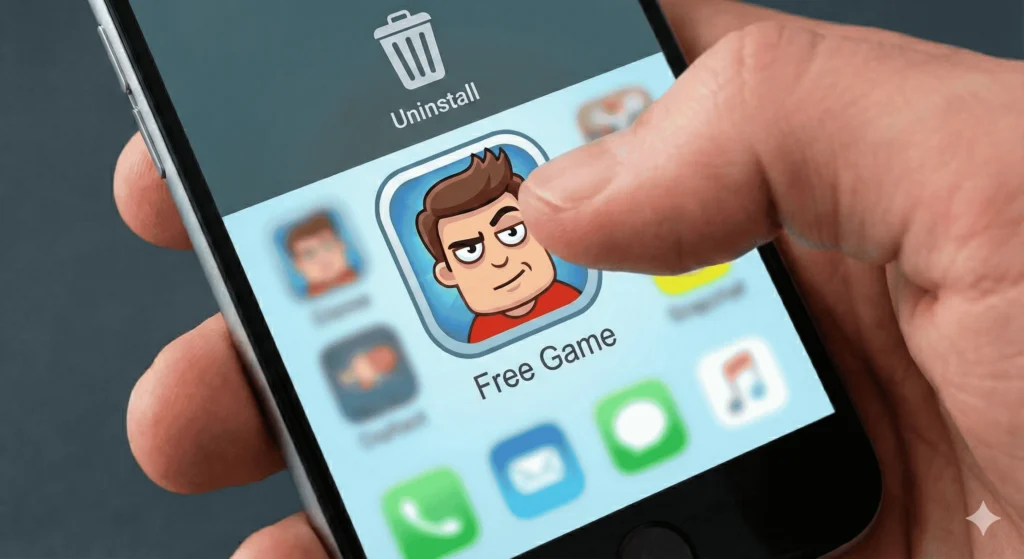
“Zombie apps” are games developers have abandoned. They no longer receive security patches, making them vulnerable entry points for hackers looking to exploit outdated code. Furthermore, they are rarely optimized for newer operating systems, meaning they silently hog battery life and RAM in the background, slowing down your new device. If it hasn’t been updated in over two years, it’s time to let it go.
6. The Pre-Installed Bloatware
Many Android phones come out of the box burdened with pre-installed “freemium” games you never asked for. Manufacturers often strike deals with developers to include these apps.
They take up valuable storage space, run background processes that drain your battery, and clog up your app drawer. While some system apps can only be “disabled” rather than fully uninstalled without rooting your phone, you should remove or disable every piece of gaming bloatware your device allows.
Take Action Today
Your smartphone is your most personal device. Don’t let malicious or poorly optimized games compromise its performance or your privacy. Take five minutes today to scroll through your library and purge these six types of offenders. Your phone will thank you for it.