

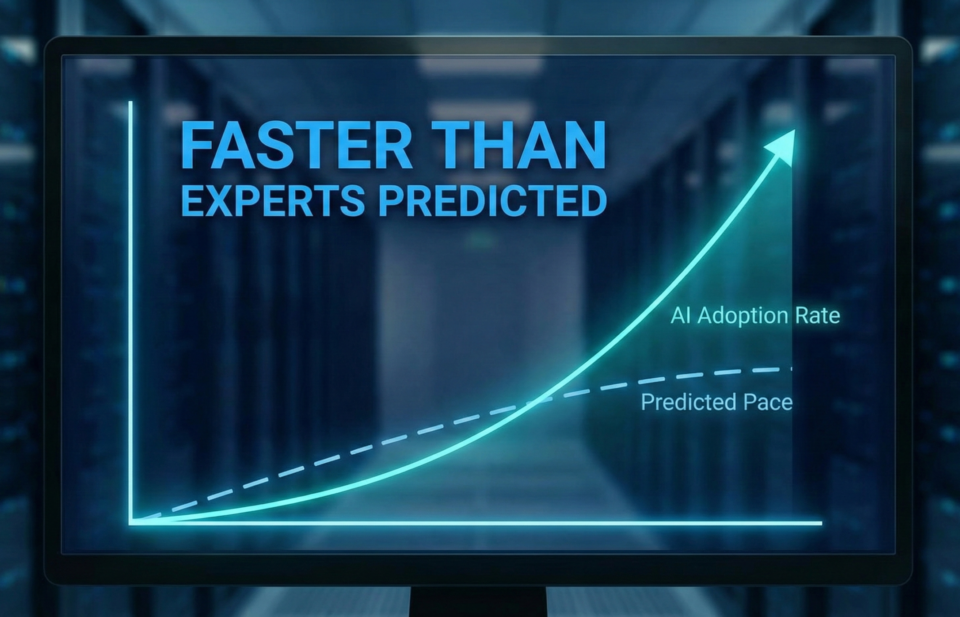
Artificial Intelligence (AI) is no longer a distant concept reserved for sci-fi films or futuristic predictions — it’s an active force reshaping industries at an unprecedented pace. What just a few years ago seemed like incremental progress is now a swift transformation across business, technology, and especially the automobile industry, which is witnessing accelerated innovation far earlier than many experts had anticipated. In this article, we explore how AI is advancing faster than predicted, what that means for the global tech landscape, and why the automotive sector is at the heart of this shift.
The Rapid Pace of AI Adoption
AI has become deeply embedded in business operations and consumer products. According to recent industry research, technologies like multi-modal AI, agentic AI, and digital twins are leading this transformation, enabling systems to understand and interact with complex real-world data more effectively than ever before.
From advanced predictive analytics to real-time decision systems, AI isn’t just in early-stage projects — it’s powering core business operations across sectors like finance, healthcare, retail, and manufacturing. What’s remarkable is not just that AI is being adopted, but how fast this adoption is happening — with innovations that experts once placed years in the future becoming a reality today.
AI and the Automobile Industry: A Revolution on Wheels
Among all sectors, the automotive industry stands out as a major beneficiary — and contributor — to the rapid evolution of AI. Instead of gradual transformation, automakers and tech companies are integrating intelligent systems into vehicles and manufacturing at a far quicker pace than many analysts expected.
Here’s how AI is reshaping the automobile sector:
1. Advanced Driver Assistance and Safety
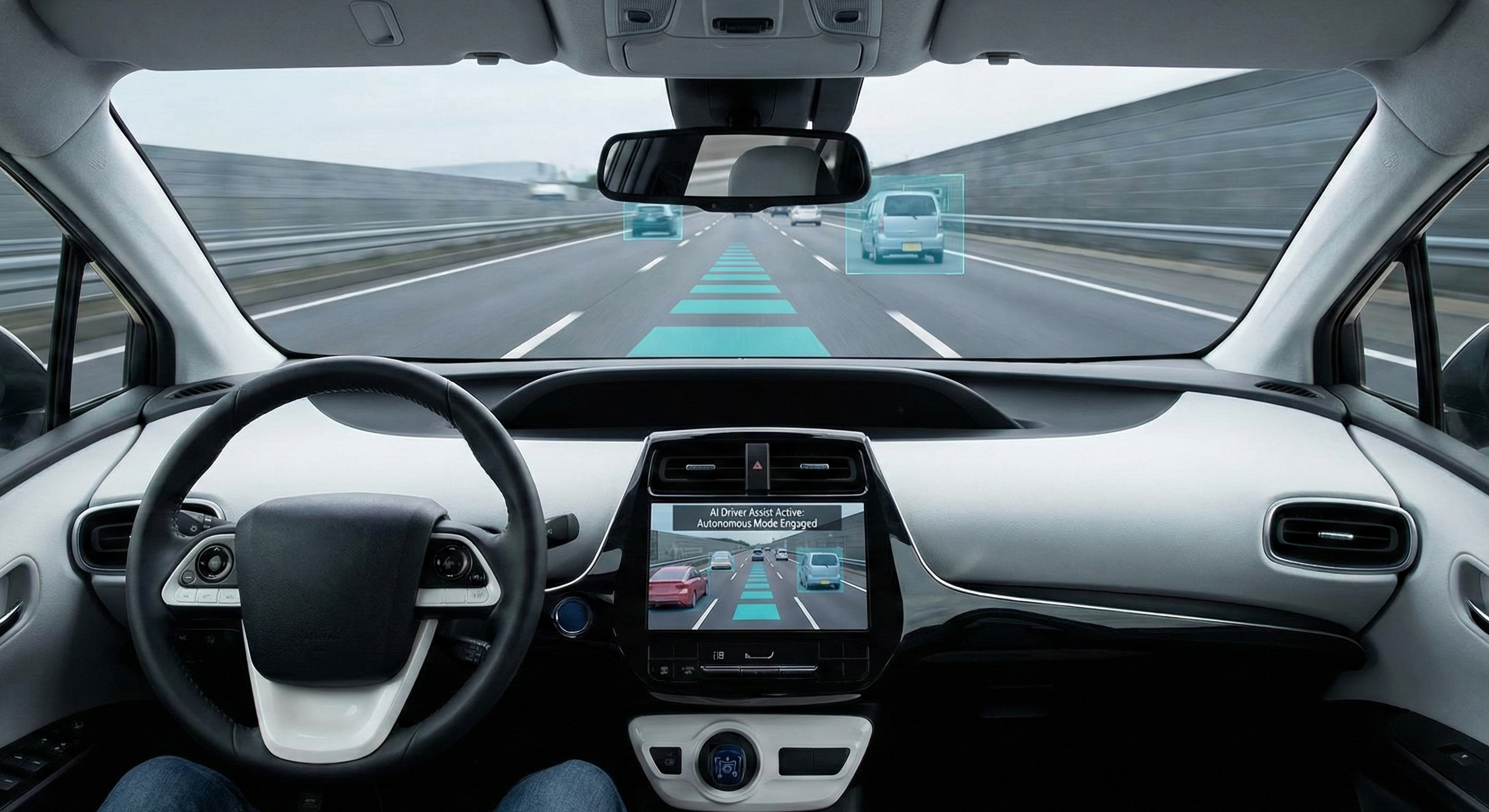
AI-powered systems such as lane-keeping assist, adaptive cruise control, emergency braking, and predictive collision avoidance are now standard features on many new vehicles. These systems use sensors, radar, and cameras to interpret road conditions in real time, dramatically improving safety metrics and reducing human error.
2. Autonomous Driving Progress
While fully self-driving (Level 5) vehicles are still in testing phases, the progression toward autonomy is far ahead of schedule. AI models now process complex driving scenarios with increasing accuracy, enabling partial automation in controlled environments and commercial pilot programs.
Statistics indicate that 60% of new vehicles in recent years include AI-enabled driver assistance, and automakers widely invest in autonomous systems aimed at future rollout.
3. Predictive Maintenance and Production Efficiency
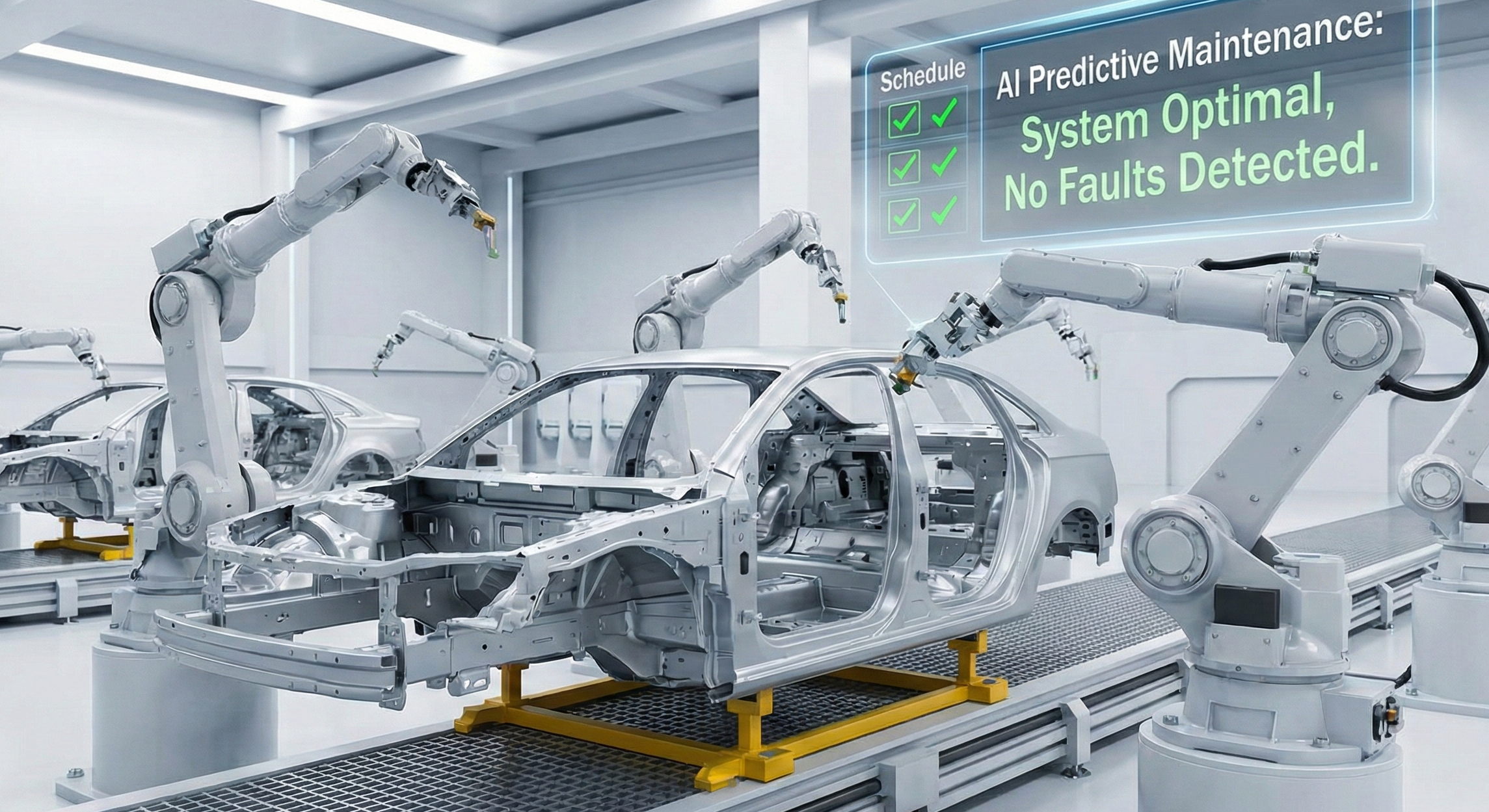
AI isn’t just in cars — it’s in the factories where they’re built. Predictive maintenance systems monitor machinery and equipment in real time, helping reduce downtime and lower production costs. These technologies use historical and live data to flag potential failures before they occur, thereby increasing factory throughput and reliability.
4. Cybersecurity and Connected Vehicle Safety
With cars becoming increasingly connected, AI-driven cybersecurity tools are critical for protecting vehicle networks from threats. Advanced AI solutions can detect unusual patterns and respond to attacks faster than traditional security systems, ensuring safer connected driving experiences.
5. Personalized In-Cab Experiences
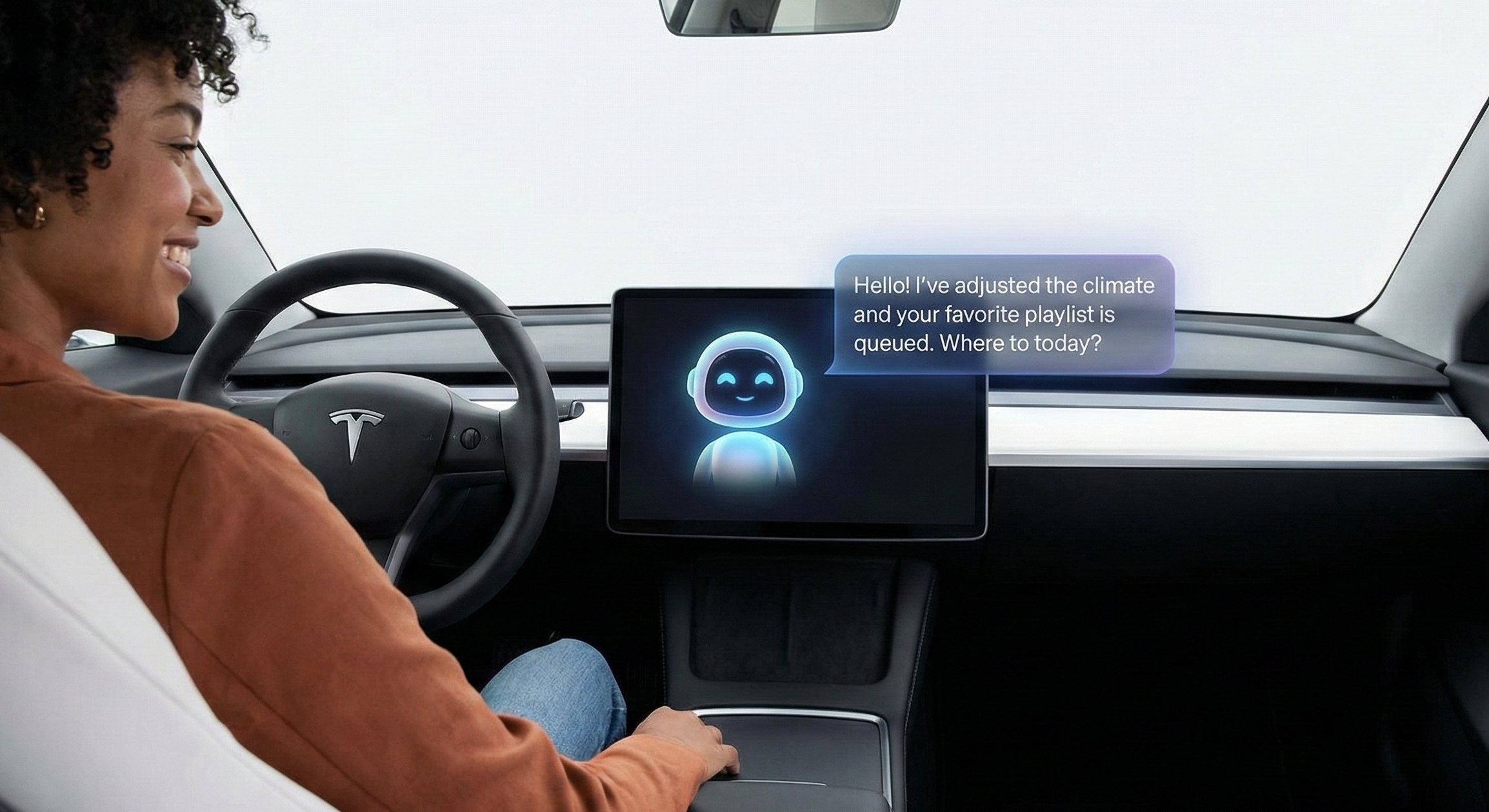
Modern vehicles are becoming intelligent companions. AI now powerfully shapes in-car infotainment, personalized climate controls, voice-activated assistant features, and adaptive systems that learn individual driving habits — all designed to create a more intuitive journey for drivers and passengers.
Why AI Is Accelerating Faster Than Expected
Experts had long suggested that many of these technologies would take another decade to mature. However, the convergence of multiple core trends has fast-tracked this evolution:
Improved Computing Power
Specialized AI hardware and faster processing chips are making high-performance models more efficient and scalable, enabling applications previously thought impractical.
Big Data and Connectivity
The proliferation of sensors, 5G/6G connectivity, and IoT devices have created a wealth of real-time data for AI systems to learn from and react to quickly.
Enterprise Adoption at Scale
Across industries, CIOs report that AI now plays a major role in everyday business operations — not just isolated projects — which accelerates innovation cycles and shortens time to market.
Cross-Industry Collaboration
Automotive companies are partnering with AI-first firms to co-develop smart solutions, from edge AI systems embedded in vehicles to autonomous driving software that learns from real-world data faster than simulations alone.

Looking Ahead: What’s Next for AI and Cars
As we progress through 2026 and beyond, several trends are expected to define the next phase of AI and automotive integration:
1. Enhanced AI-Enabled Transportation Systems
Future vehicles are expected to communicate with infrastructure systems using AI — improving flow, safety, and energy efficiency on a city scale.
Also read – 10 Easy Business Intelligence Tools A Business Needs
2. Rise of Intelligent Fleet Management
AI will optimize logistics and commercial fleets for fuel efficiency, route planning, and driver safety, transforming transportation and delivery sectors.
3. Human-AI Collaboration for Intelligent Driving
Even as AI becomes more capable, the role of human drivers will evolve into collaborative oversight, where AI handles routine tasks and humans manage complex judgment calls.
Summary
As industries race toward digital transformation, one thing is clear — this AI trend is moving faster than experts predicted, and the automobile sector is becoming the most visible proof of that acceleration. From AI-driven electric vehicles (EVs) and software-defined vehicles (SDVs) to autonomous driving systems, smart mobility, and connected car ecosystems, artificial intelligence is no longer a supporting technology — it is the foundation.
Automakers are increasingly investing in machine learning, edge AI, and real-time data analytics to power next-generation vehicles that are safer, cleaner, and more intelligent. Trending concepts such as ADAS (Advanced Driver Assistance Systems), AI-optimized battery management, over-the-air (OTA) updates, and digital vehicle platforms are now shaping consumer expectations worldwide.
What makes this shift even more significant is the convergence of AI with other fast-moving trends like electric mobility, sustainable transportation, smart manufacturing, and Industry 4.0. AI-powered robotics in automobile factories, predictive quality control, and AI-based supply chain optimization are helping manufacturers reduce costs while increasing efficiency — a critical advantage in today’s competitive global market.
Looking ahead, keywords such as autonomous vehicles, AI chips for cars, vehicle-to-everything (V2X) communication, smart dashboards, voice-enabled infotainment, and AI cybersecurity for connected cars are expected to dominate both search trends and industry discussions. These developments further confirm that AI’s role in mobility is expanding faster than traditional forecasts ever suggested.
In essence, the rapid evolution of artificial intelligence is redefining how vehicles are designed, built, and experienced. As innovation cycles shorten and adoption scales globally, businesses and consumers alike must adapt to a future where AI-powered automobiles are not optional — they are inevitable. And as this transformation unfolds, one fact remains undeniable: this AI trend is moving faster than experts predicted, and its impact on the automobile industry is only just beginning.
Conclusion
The title “This AI Trend Is Moving Faster Than Experts Predicted” accurately reflects the transformative speed of AI adoption — especially in the automobile industry, where innovation isn’t just advancing, it’s accelerating at a pace that defies traditional projections. With AI driving safer vehicles, smarter production lines, and more connected experiences, it’s clear that the future of mobility is here sooner than most anticipated.